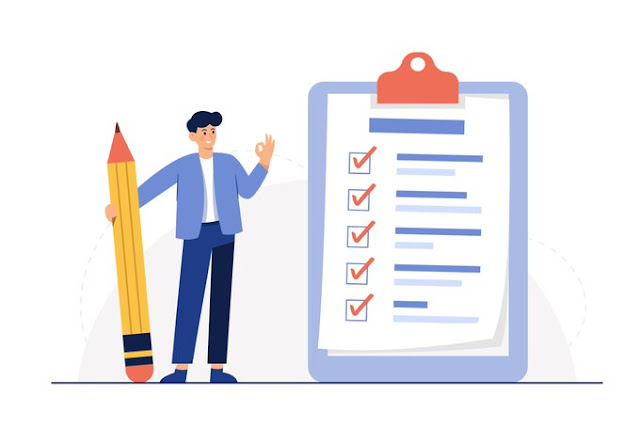
Holding Yourself Accountable is a Class Act

Making excuses and putting things off is easy, but that won't help you achieve your goals.

Because …

1/ Holding yourself accountable means owning your actions and decisions,  


Yes, I get it, it's not always easy. 


But when you hold yourself responsible for the outcome of your efforts and recognize that you are the one who has the power to make things happen.


You will instantly notice a change in perspective and a feeling of freedom.


There is an apt quote from Steve Maraboli that says “The victim mindset dilutes the human potential. By not accepting personal responsibility for our circumstances, we greatly reduce our power to change them.”


In essence, you can't complain about being a victim and at the same time want to change your situation.


You can only successfully change your situation if you are in control and to be in control you have to take responsibility for your actions and own them.


2/ If you want to hold yourself accountable, start by setting realistic and achievable goals and break them down into smaller, manageable steps.


Also, write down your goals and keep them in a visible place to remind yourself of what you're working towards. 


You can even create a vision board to help you visualize your goals.


All these are to keep you reminded of the pursuit.


3/ Set up a system of rewards and consequences for yourself. This can be a game-changer for you. 


Following this method, you reward yourself whenever you achieve a goal or complete a task. On the other hand, if you don't meet your targets, you hold yourself accountable by accepting the consequences.


4/ Surround yourself with people who will support and encourage you, but who will also hold you accountable. Share your goals with them and ask for their feedback and support.


Importantly also, you have to be honest with yourself and evaluate your progress regularly. 


If you're not making the progress you want, take a step back and re-evaluate your approach. Identify what's not working and adjust your strategy accordingly.


5/ Finally, holding yourself accountable means taking ownership of your actions.


Thank you for stopping by.


If you found any value in this, consider reading other posts.


Comments

Popular posts from this blog

Overcoming Procrastination

Today, I am tackling a topic that I know hits home for a lot of us— overcoming procrastination . You know that feeling, right? When you’ve got a deadline looming, a dream you’re chasing, or even just a sink full of dishes, but somehow you’re scrolling through your phone or reorganizing your sock drawer instead? Yeah, we’ve all been there. I’m going to dive deep into why we procrastinate, how it’s tied to our past experiences, and—most importantly—how we can start breaking free from it. Hopefully, it resonates with you. So, let’s break it down and get into it. What’s Really Behind Procrastination? Procrastination isn’t just about being “lazy” or “unmotivated.” I used to think it was, but the more I’ve reflected on it, the more I’ve realized it’s deeper than that. Depending on the experiences we’ve gone through, our relationship with taking action—or avoiding it—gets shaped in unique ways. It’s like our tolerance for risk, failure, or even success adjusts based on what life’s thrown at u...

The Day I Felt Powerless

Needless to say, I've had my fair share of frustrating situations and unplanned challenges. But the day I felt powerless was by far one of the most unforgettable experiences on that list. It was the day I had a brisk accident while riding my motorbike, descending from a bridge. The incident happened so fast that if someone had sneezed a second before, they would’ve missed the trailer entirely. But to me—the eye of the beholder—the incident didn’t feel fast at all. I can actually recall it in slow motion. It happened when a van in front of me, for whatever reason best known to the driver (which I will never be able to tell), suddenly decided to slow down rapidly and stop right in the middle of the expressway. And just as quickly, after the incident, the van zoomed off. I wasn’t exactly caught off guard—because, like I said, I saw it happening—but by then, I was already too far gone, in the middle of rolling down the bridge myself. I couldn’t do much else but allow the deed to take i...

You Need To Get Angry

  Why anger is good for you. Anger, even though a destructive emotion, is a required catalyst for growth. - James Ezenachi Understanding this concept will make you value anger. If you have never gotten angry with your situations and inabilities, you may never be propelled to seek growth. Many of us are where we are today because of the level of anger that we entertain. And I know, we have been trained and groomed to think and believe that anger is a bad thing, a negative emotion that we should avoid at all cost. While I understand the reason for this logical position, I also understand that perspective is everything. So, if the reason why you have been told to desist from anger and the underlying emotions is because of the possible havoc it can wreak in a person and their fellow, especially when one person feels hurt by another and they are pushed to have a revenge. Yes, for that I understand and agree. However, when I talk about anger from a different perspective, it is in the lig...